Fringed by the Indian Ocean

Yala National Park is home to a wide range of wild animals.

We stayed for 3 nights in our own little jungle chalet within this national park.

We stayed for 3 nights in our own little jungle chalet within this national park.

wild Boar grunted around the veranda,

and a large male elephant was seen lurking in the bushes when we left the chalet to take an early morning safari.
 We loved the little green Bee-eaters flitting around in the bushes,
 along with this handsome Jerdon's baza with his crested tuft of black feathers,
 and this Brahminy kite.
 How discreetly these snoozing young Indian Scops owls blend in with their host tree.
 This handsome Painted Stork is searching around for frogs and lizards, but has a listing of 'near threatened'.
The variety of wild fowl and bird life in Sri Lanka is quite spectacular, it must surely be paradise for any serious bird spotters.
 It is early morning, all looks tranquil and peaceful within this pastoral scene, but rather ominously we have just spotted two very large crocodiles lying in the reeds close by.
Suddenly our Ranger zooms off down a track - perhaps he has been notified of something on his radio!

What a special find! a cute reclusive Sloth bear. However, my initial excitement is tempered by concerns for this lovely little bear as there are no more than 500 of them left in the wild. Although insects, ants, and termites make up their staple diet, they also need the nuts and fruits that they find in the tropical forests, and these as we know, are being destroyed at an alarming rate.
The mother bear carries her young cubs on her back until they are 9 months old, but Sloth bears, including their young are excellent tree climbers should they need protection from predators.
Suddenly our driver is off again - the ride is fast and bumpy - we all hold on tight.
 We have found a very relaxed, beautiful, large leopard sleeping in a Weera tree.
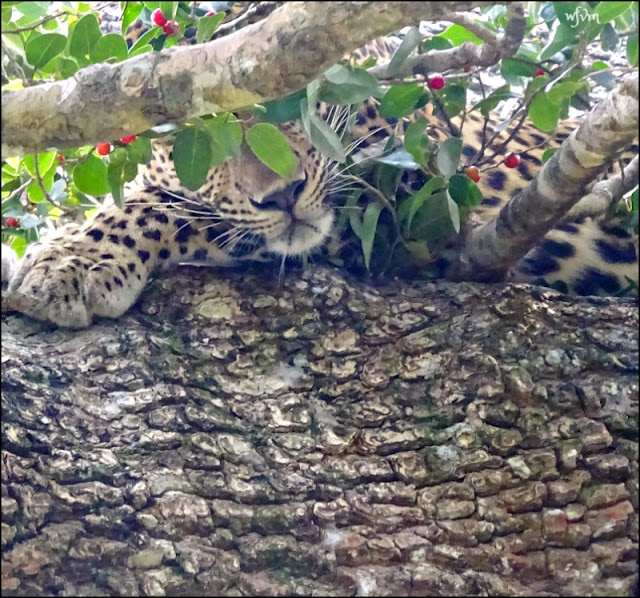 Let's leave him sleeping peacefully - it is still early in the morning, and our breakfast awaits.
*****
This is my final post from Sri Lanka - a teardrop shaped volcanic island set in the Indian Ocean and home to a very diverse range of animals and plant life.
 The Golden Shower Tree - Cassia fistula
We saw a huge variety of vegetables and different fruits, many of which were completely unknown to us. We gained the impression that anything sown in Sri Lanka's rich volcanic ground flourishes.
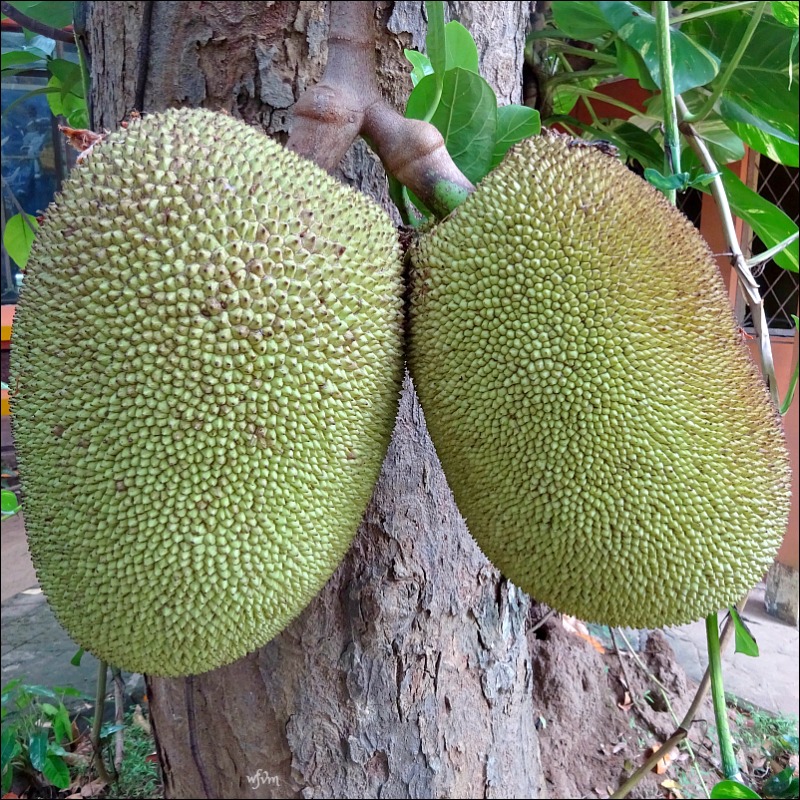
 huge Jack fruits
Many different types of nuts and spices grow in Sri Lanka.
 nutmegs still dressed in their lacy mantles of mace - these three were found simply lying around on the ground at our feet

 Dig a deeper mine and you could be rewarded with Rubies, Amethysts, Garnets or cornflower coloured Sapphires.



The variety of wild fowl and bird life in Sri Lanka is quite spectacular, it must surely be paradise for any serious bird spotters.

Suddenly our Ranger zooms off down a track - perhaps he has been notified of something on his radio!
What a special find! a cute reclusive Sloth bear. However, my initial excitement is tempered by concerns for this lovely little bear as there are no more than 500 of them left in the wild. Although insects, ants, and termites make up their staple diet, they also need the nuts and fruits that they find in the tropical forests, and these as we know, are being destroyed at an alarming rate.
The mother bear carries her young cubs on her back until they are 9 months old, but Sloth bears, including their young are excellent tree climbers should they need protection from predators.
Suddenly our driver is off again - the ride is fast and bumpy - we all hold on tight.

*****
This is my final post from Sri Lanka - a teardrop shaped volcanic island set in the Indian Ocean and home to a very diverse range of animals and plant life.
We saw a huge variety of vegetables and different fruits, many of which were completely unknown to us. We gained the impression that anything sown in Sri Lanka's rich volcanic ground flourishes.
Many different types of nuts and spices grow in Sri Lanka.

Brugmansia suaveolens
Flowers that I grow in my garden that require my
tender, loving, care, grow like weeds in Sri Lanka.
Dig a 20ft shaft through the volcanic soil and stone, and you might find moonstones.
Dig a deeper mine and you could be rewarded with Rubies, Amethysts, Garnets or cornflower coloured Sapphires.

A cute baby Asian elephant
Sri Lankan stilt fisherman
සමුගැනීමේ ශ්රී ලංකා
සමුගැනීමේ ශ්රී ලංකා
This beautiful script is Sinhala and the translation reads - 'farewell Sri Lanka'